By Alyssa Nyberg, Preserve Coordinator & Ecologist at Kankakee Sands
It’s March! And there is so much to be glad about – the great greening up of the overwintered landscape, the songs of birds in the early morning, and the thawing of the land leading to the prairies of Kankakee Sands being soaked with water. How glad I am for these wet, marshy places filling with shades of green and the fluttering of birds’ feathers!
Of the 8,400 acres that comprise Kankakee Sands, nearly one third of those are considered wetlands. Some of these areas are wet only seasonally, while others have soils which stay saturated all year long.
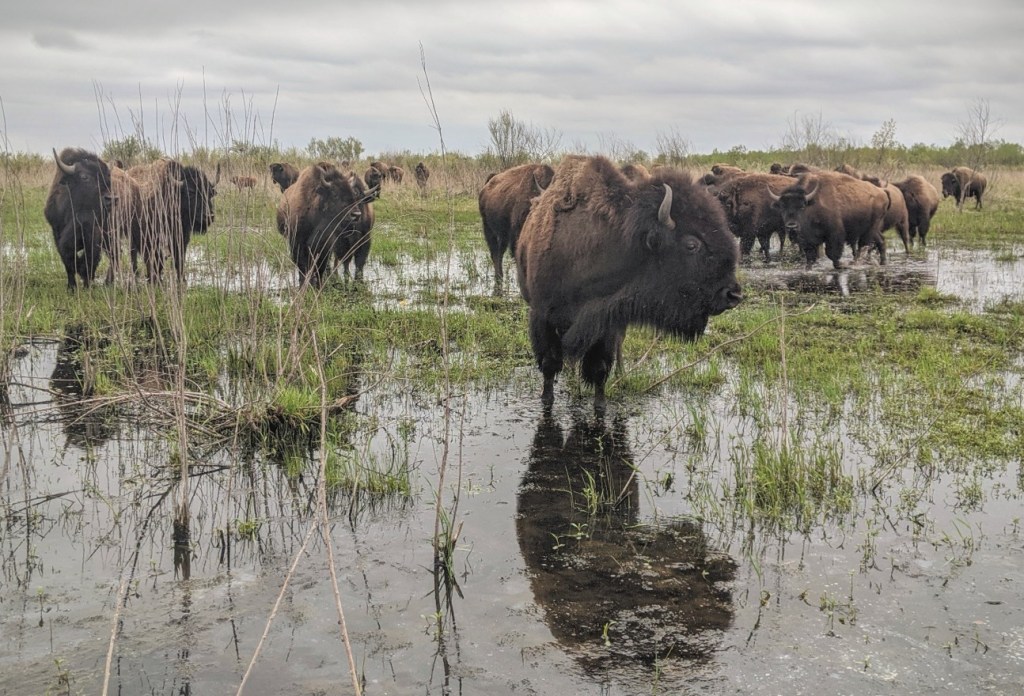
Our Kankakee Sands bison inhabit some of these marshy places. As we were planning for the arrival of the bison back in 2015, we anticipated that the bison would intentionally avoid the wetlands, preferring to keep their hooves dry on higher ground. Turns out they like to walk, wade, and wander through the wet spaces and places within their fenced pasture as they graze. Because bison prefer to eat grasses more so than flowers, their selective nibbling makes way for the many flowers that inhabit wetlands, such as one of my favorites… the marsh betony (Pedicularis lanceolata) which blooms in August – right around my birthday!
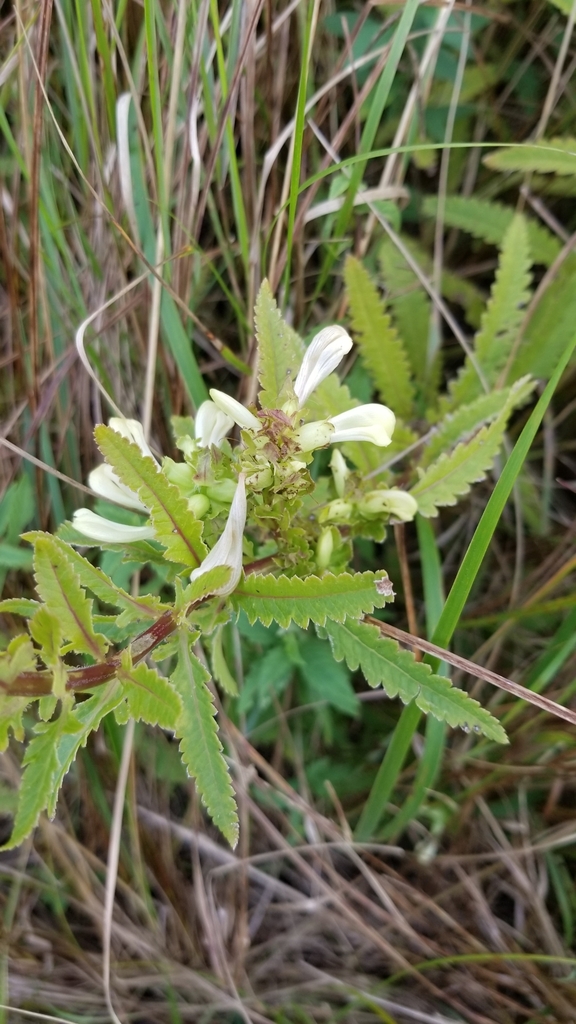
This pretty little native plant with fern-like leaves and cream-colored tubular flowers most often grows in dense patches. Several such patches grow along the Wet Prairie Trail in the North Bison Pasture, which is open during the late spring through the late fall when the bison are in the South Pasture.
Marsh betony spreads via a vast network of underground roots that allow it to “hold its ground” against other plants. And it also “holds its ground” beautifully on slopes, protecting against soil erosion.
Fun fact about marsh betony – its seeds float! What a perfect strategy for this plant that is already able to create more of itself in one location from its roots. Why not send those seeds floating off into the sunset to new locations where they can literally take root!
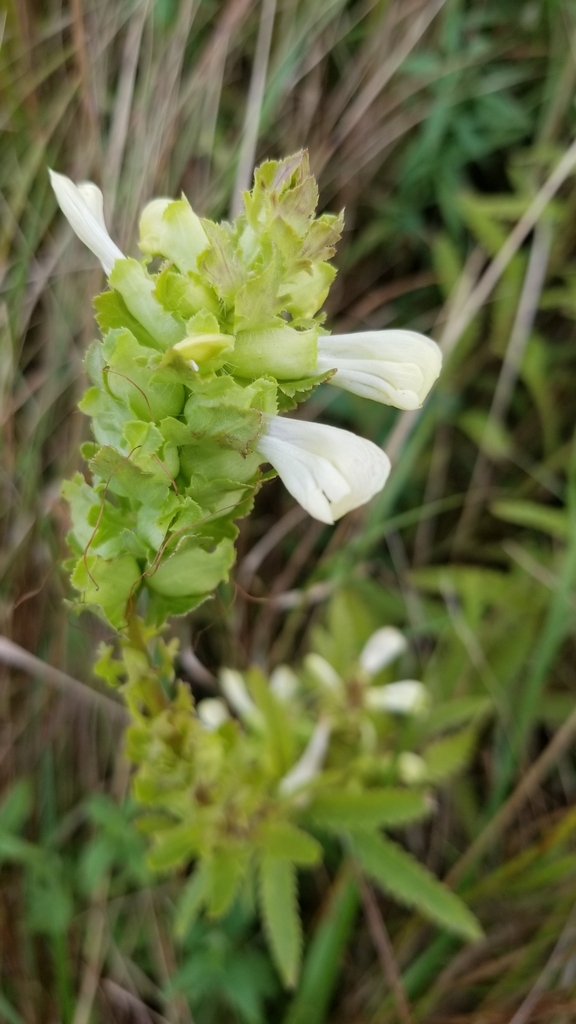
Several years ago, we harvested a small portion of marsh betony seeds from the plants growing in the North Bison Pasture. We then sowed those seeds over frozen ground (no floating away!) around a 12-acre pond in the prairie across the road to the north of the Bison Pasture. I love going back to this area each spring to look for evidence of the betony and being treated to views of the birds who also enjoy these wet places, such as the marsh wren, northern shovelers, sandpipers and pied-bill grebes. March marks the beginning of the season when we get to witness the year-long connection between the marshy land, the grazing animals and the beautiful wetland plants. Taking an even wider view, a wetter Kankakee Sands reminds us that this land that was once connected to the Grand Kankakee Marsh, which covered thousands of acres from South Bend, Indiana to Momence, Illinois.
This March, come for a visit to Kankakee Sands to reflect on marshes of the past, enjoy the marshes of today, and look forward to the flower and feather-filled marshes of the late summer!
_____________________________________________________________________________________
The Nature Conservancy’s Kankakee Sands is an 8,400-acre prairie and savanna habitat in Northwest Indiana, open every day of the year for public enjoyment. It’s an exciting year for Kankakee Sands, as we are making major improvements to popular areas within the preserve. If you plan to visit, please check our Facebook page to see if any of the areas you want to see will be impacted by the construction. For more information about Kankakee Sands, visit www.nature.org/KankakeeSands or call the office at 219-285-2184.

